Illegal Bikes Tools Hub
Checklists and practical filters — not legal advice.
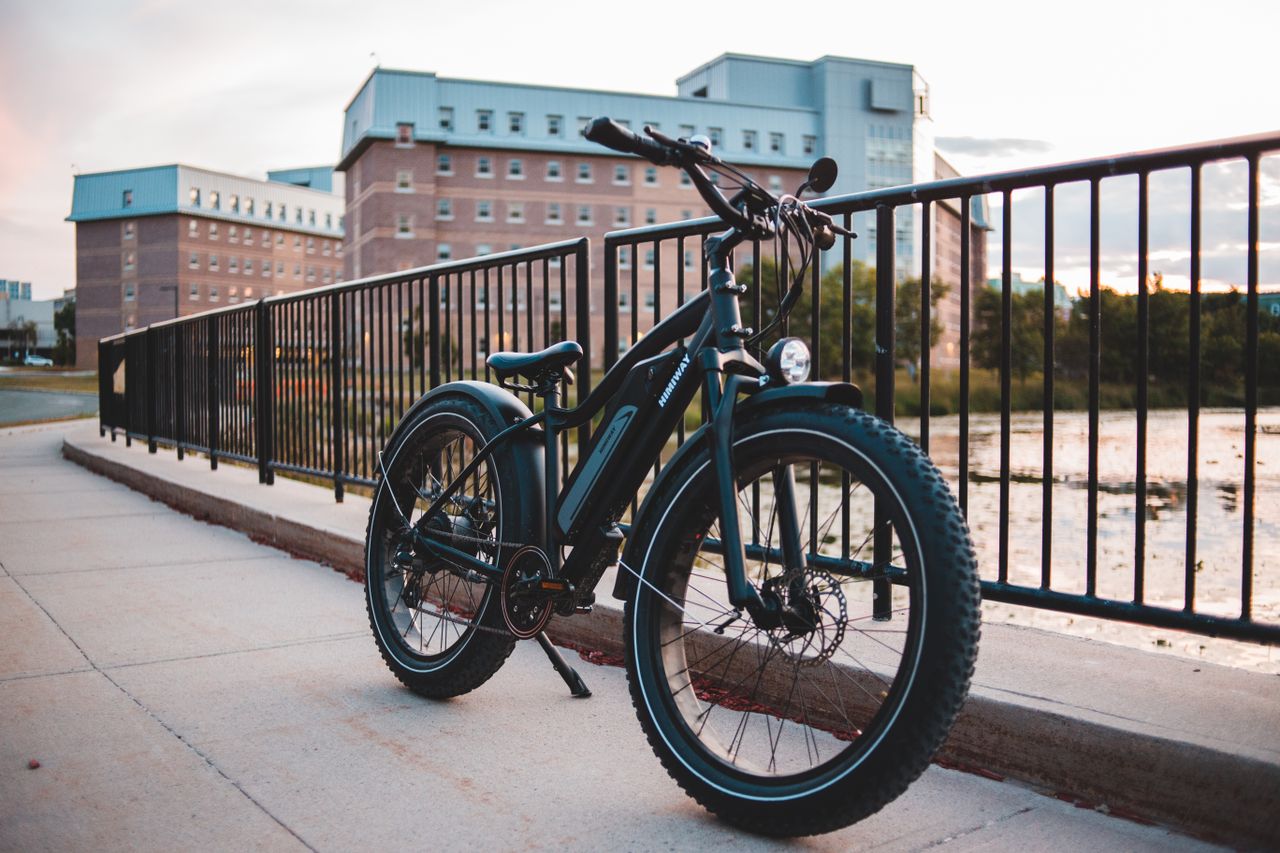
The Tools Hub turns statute language into questions you can answer with a product page, a label, or a tape measure. Start here before you buy, gift, unlock, or modify a machine. These tools do not replace a lawyer, a dealer compliance officer, or your local licensing authority — they reduce the chance you discover the hard way that a “Class 2” sticker was marketing fiction.
Featured tool: legality self-check
Open the legality checklist for a step-by-step markdown checklist covering:
- Working pedals that can propel the bike
- Rated / continuous motor watts vs local caps
- Assist or throttle cut-off speeds
- Permanent class labels and disclosure language
- Unlock apps, “off-road modes,” and dealer tunes
- Throttle behaviour with and without pedaling
- Intended use: public road vs off-highway (OHV) only
Work the list top to bottom. One hard “no” usually means you should stop calling the product a street-legal e-bike and re-read motor-vehicle or OHV rules.
Pair tools with classes and guides
Definitions live in the Classes Hub — especially comparisons of Class 1 / 2 / 3 machines versus e-motos. Visual and practical identification tips live in how to identify. After you finish a checklist, confirm the governing text in the Laws Hub for your country or state.
How to use checklists safely
- Screenshot the listing (watts, top speed, modes) before the seller edits it.
- Photograph the frame label after delivery; compare to the invoice.
- Do not “test” illegal top speeds on public roads to settle an argument.
- Assume unlockable modes count if the product ships with them or advertises them.
- Ask whether pedals are decorative — operable pedals are a core federal and EAPC requirement.
What this hub is not
- Not a permit generator
- Not a VIN decoder for every brand
- Not a guarantee a machine will pass a roadside stop
- Not legal advice
If your checklist fails, walk away or budget for full motor-vehicle compliance (licence, registration, insurance, approved helmet where required). For enforcement context after a failed check, see Updates and Cases. For primary citations, see Documents.
Parents shopping for Christmas or Black Friday deals should run the checklist twice: once against the listing, once against the delivered label. Holiday warnings from UK forces in 2026 show how quickly a bargain becomes a seizure. Share the results with anyone else who will ride the machine.
Return often: retailers change firmware copy faster than legislatures change statutes, but the same physical questions — pedals, watts, cut-off, label, unlock, throttle, intended use — keep working.
Frequently Asked Questions
Clear answers grounded in published rules and reporting.
Which tool should I open first?
The legality checklist. Then confirm class definitions in classes and identification tips in how to identify.
Can a checklist make my bike legal?
No. It only helps you spot mismatches with published rules. Compliance depends on the actual machine and local law.
What if the seller offers an unlock code?
Treat unlockable road-illegal modes as a major red flag for street use. See the checklist’s unlock-app section and your local class or EAPC rules.
Where do OHV questions fit?
If the product is sold as an electric dirt bike / off-highway motorcycle, complete the OHV vs road section and read California OHV themes in official sources if relevant to you.