Illegal Bikes How to Report Illegal Bike Riding
Official channels, useful details, and safety-first documentation
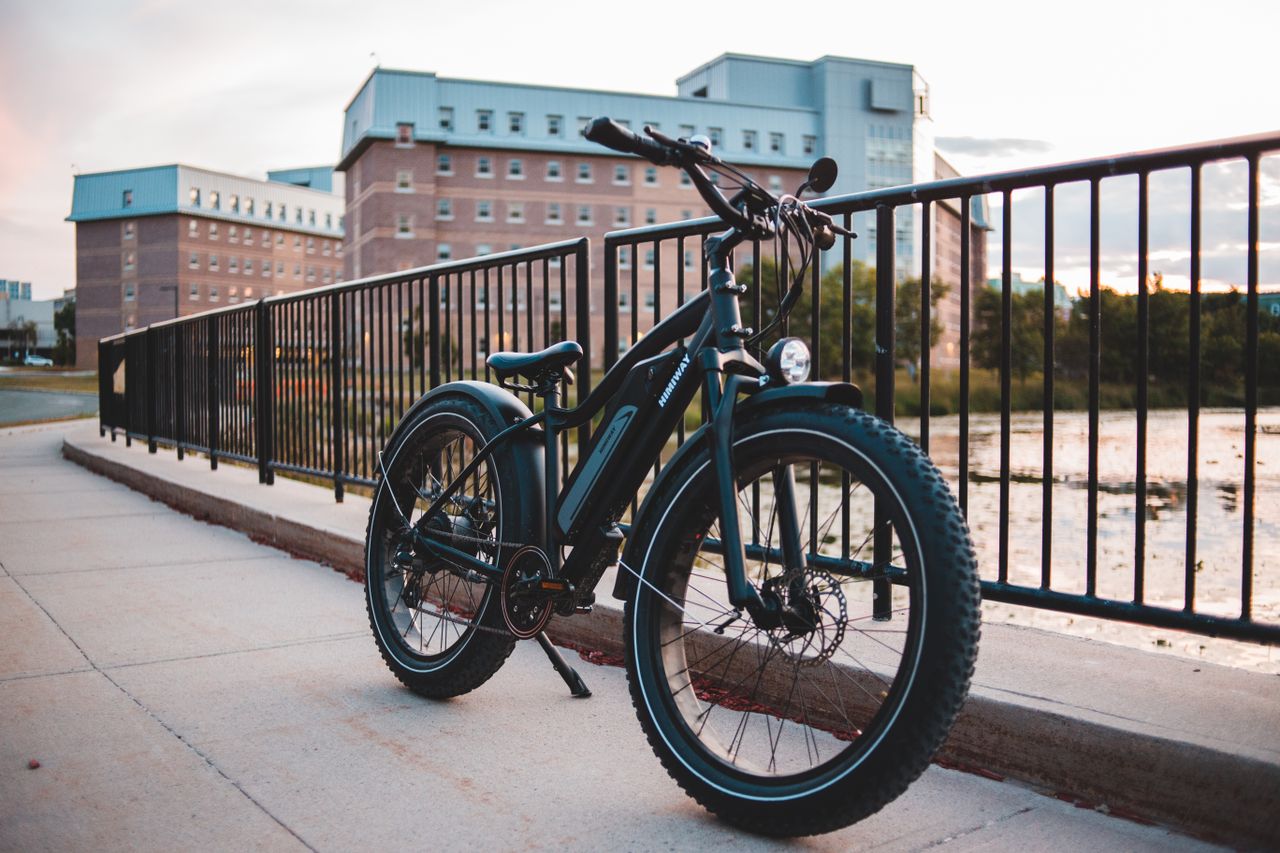
Neighbors, parents, and path users often want to report packs of unregistered dirt bikes, throttle-heavy e-motos on sidewalks, or high-power machines blasting shared trails. This guide explains how to do that through official local police and council channels without inventing phone numbers that go stale. Illegal Bikes Files will not publish fake hotlines. Always look up the current non-emergency number, online form, or app for your city, force, or municipality. Pair this page with how to identify, regional cases, and links when official portals are listed.
Safety first
Do not chase riders, block them with your car, or confront a group on a bridge or trail. Your job is timely, accurate information—not a citizen arrest. If someone is injured or a crime is in progress, use your country’s emergency number. For ongoing nuisance riding without immediate violence, use non-emergency police reporting or the online tools your agency publishes. Take photos or video only from a safe position where you are not standing in traffic; never ride alongside a pack to “get a better shot.”
What details help investigators
Include as many of the following as you can without guessing:
- Exact location (street intersection, mile marker, park name, shared-path segment) and direction of travel.
- Date and time window; note if the activity repeats on evenings or weekends.
- Number of riders and whether they stopped traffic, used sidewalks, or entered pedestrian zones.
- Vehicle description: color, approximate tire size, presence or absence of pedals, visible plates, stickers, or unique fairings.
- Plate, VIN, or serial if visible without approaching—many illegal dirt bikes and ATVs have no plate or a covered plate.
- Seller information only if you personally witnessed a storefront sale; otherwise stick to riding behavior.
- Your contact preference if the agency allows follow-up.
Agencies repeatedly say pattern reports help them place patrols. One vague “kids on bikes downtown” tip is weaker than three dated notes about the same underpass at dusk. Wyndham petitioners in Australia asked security patrols to log hotspot sightings for Victoria Police—illustrating how structured observations feed enforcement—see UK and Australia.
United States variations
US cities differ. Some route quality-of-life complaints through 311-style portals; others want the police non-emergency line or a precinct email. NYC’s multi-year seizures of scooters, motorbikes, and ATVs grew partly from resident complaints layered onto dedicated details—see NYC crackdowns. California bridge and sideshow operations combine CHP, city police, and tip-driven surveillance—see California Bay Area. Look up your city’s official site for “report dirt bike,” “illegal ATV,” or “e-bike complaint,” and prefer .gov domains. Do not rely on random social-media accounts claiming to be tip lines. If a machine is being sold illegally from a shop, consumer-protection departments (such as NYC’s Department of Consumer and Worker Protection in published sweeps) may take business complaints separately from street riding reports.
United Kingdom variations
In the UK, use 999 for emergencies and the national non-emergency service or your force’s online reporting for ongoing illegal e-scooter or non-EAPC riding when no one is in immediate danger. Wiltshire and Northumbria public messaging has encouraged reports that identify hotspots for operations such as Jetsom, Capio, and Dragoon. Force websites explain e-scooter illegality on public roads/pavements outside rental trials and EAPC limits—see UK EAPC. School and council letters sometimes add local context during Christmas campaigns; still verify the reporting path on the force site rather than forwarding chain messages.
Australia variations
Australian reporting often splits between state police for moving offences and councils for path signage, local laws, and contracted security. Wyndham’s petition asked council to prioritise hoon hotspots and pass sightings to Victoria Police while advocating statewide tools. Check your council’s “report a problem” form for shared-path misuse and your state police online reporting for dangerous riding. Do not invent SMS codes; use the numbers and forms published on official .gov.au pages. Links on this archive will point to stable portals when curated; until then, search the agency name plus “report online.”
What not to do
Do not post minors’ faces publicly as punishment. Do not trespass into yards to read serials. Do not seize property yourself. Do not assume every fast bicycle is illegal—run the checklist in how to identify mentally, but report observable road risk even when you cannot confirm wattage. Parents worried about a purchase they already made should read the parents buying guide and if your bike is seized rather than waiting for a complaint to land.
After you report
Keep your reference number. If riding continues, file updates with new dates instead of arguing in comment threads. Follow updates and cases for how cities describe outcomes after sustained complaints—seizure waves, retail letters, or council petitions. For class definitions that explain why a machine was illegal to begin with, use laws and classes. For short field notes you can copy into a report form, see tools.
Frequently Asked Questions
Clear answers grounded in published rules and reporting.
What phone number should I call?
Use your local emergency number if people are in danger. Otherwise use the official non-emergency number or online form published by your police force or city—we do not invent hotlines on this page.
What information helps most?
Precise location, time, direction, vehicle description, plate/VIN if safely visible, and whether riding used sidewalks or blocked traffic. See the checklist above.
Should I confront the riders?
No. Report from a safe place. Chasing packs creates new crash risk and can escalate conflict.
Is every e-bike illegal to report?
No. Focus on dangerous or clearly non-compliant behavior. Learn visual cues in how to identify and class rules in laws.