Illegal Bikes Guides Hub
Identify, buy, battery safety, report, and respond after a seizure
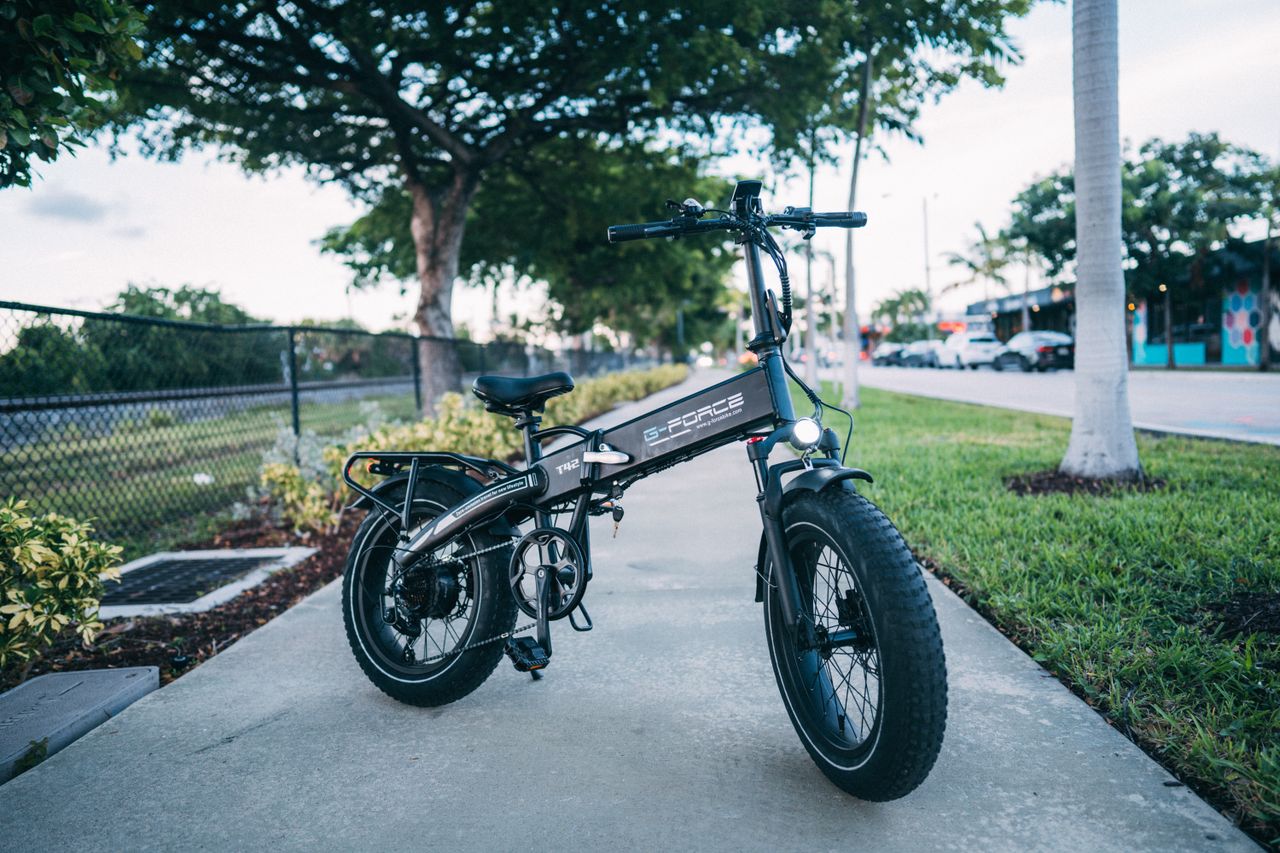
The Guides Hub turns enforcement stories into checklists. Illegal Bikes Files is an archive, not a law firm: these pages explain how public agencies describe legal e-bikes versus illegal e-motos, what parents should demand from sellers before Black Friday and Christmas, how lithium battery fires intersect with illegal retail, how to report dangerous riding through official local channels, and what typically happens after a seizure. Use them alongside laws, classes, and cases rather than as a substitute for local statutes.
What these guides are for
Search traffic often lands on “is this e-bike legal,” “parents e-bike warning,” “e-bike battery fire,” “report illegal dirt bike,” or “bike seized by police.” Each guide below answers one of those intents with 600-plus words of plain English, related FAQs, and internal links that stay on this site. We do not invent hotline numbers, fine schedules, or YouTube IDs. When a dollar amount or seizure count appears, it comes from named city or police messaging archived in the case files.
Featured and core guides
- How to identify (featured) — Checklist: operable pedals, wattage label, class label, assist cutoff, unlock modes, fake pedals, frame daylight, tire size. Embeds Wiltshire Police’s public explainer. Links to e-bike vs e-moto, US e-bike classes, UK EAPC, and tools.
- Battery fires and safety (featured) — NYC’s 2026 lithium-ion fire surge, DCWP shop and battery summonses, UL-oriented buyer checks, and charging habits cities keep repeating.
- Parents buying guide — Christmas and Black Friday shopping: legal Class 1–3 versus marketed “e-bike” e-motos for teens; licence and insurance traps; insist on a permanent class label and wattage.
- How to report — Report illegal riding to local police or non-emergency services; what details help (location, plate/VIN if any, photos taken safely); UK / US / AU variations without invented hotlines—pointing readers to official local channels.
- If your bike is seized — Typical impound paths, fine examples such as Rochester, NY’s publicly reported $500 first / $2,000 subsequent penalties, crushing policies in some cities, and registration paths if any—with a clear not-legal-advice disclaimer.
How to use the hub with cases and laws
Read a regional story in NYC crackdowns, London Met seizures, California Bay Area, or UK and Australia, then return here for the practical checklist that matches your role—buyer, parent, neighbor, or owner facing impound. Class pages under classes explain vehicle types; law pages under laws summarize speed and wattage ceilings; tools collects quick reference aids; updates tracks newer actions including the November 2026 blitz.
Quality rules for this archive
Guides prefer durable criteria (pedals that work, labeled continuous wattage, documented assist cutoff, certified packs) over brand gossip. They warn that unlock apps, derestriction cables, and “off-road only” disclaimers do not legalize public-road use. They remind readers that privately owned e-scooters remain illegal on many UK public roads and pavements, that US cities may treat over-750 W or over-25 mph machines as something other than e-bikes, and that Australian shared-path rules can ban petrol bikes and non-compliant high-power e-bikes even when a marketplace listing says otherwise.
Start with how to identify if you are standing next to a machine, battery fires and safety if you charge indoors, parents buying guide if you are about to pay, how to report if you are documenting street risk, or if your bike is seized if the vehicle is already in a pound. Then deepen with cases and documents when primary sources are available.
Frequently Asked Questions
Clear answers grounded in published rules and reporting.
Which guide should I read first?
If you have a bike in front of you, start with how to identify. If you charge indoors, open battery fires and safety. If you are shopping for a teen, use the parents buying guide.
Do these guides replace local law?
No. They explain common public criteria and link to laws. Always confirm with your city, state, or national rules.
Where are seizure stories collected?
In the Cases Hub, including NYC crackdowns and UK and Australia. This hub focuses on how-to steps.
Is there a tool or checklist page?
Yes—see tools after you read how to identify for quick reference formats.