Illegal Bikes California SB 586 eMoto and OHV Rules
Green stickers, no street conversion for many crates, and labeling crackdowns
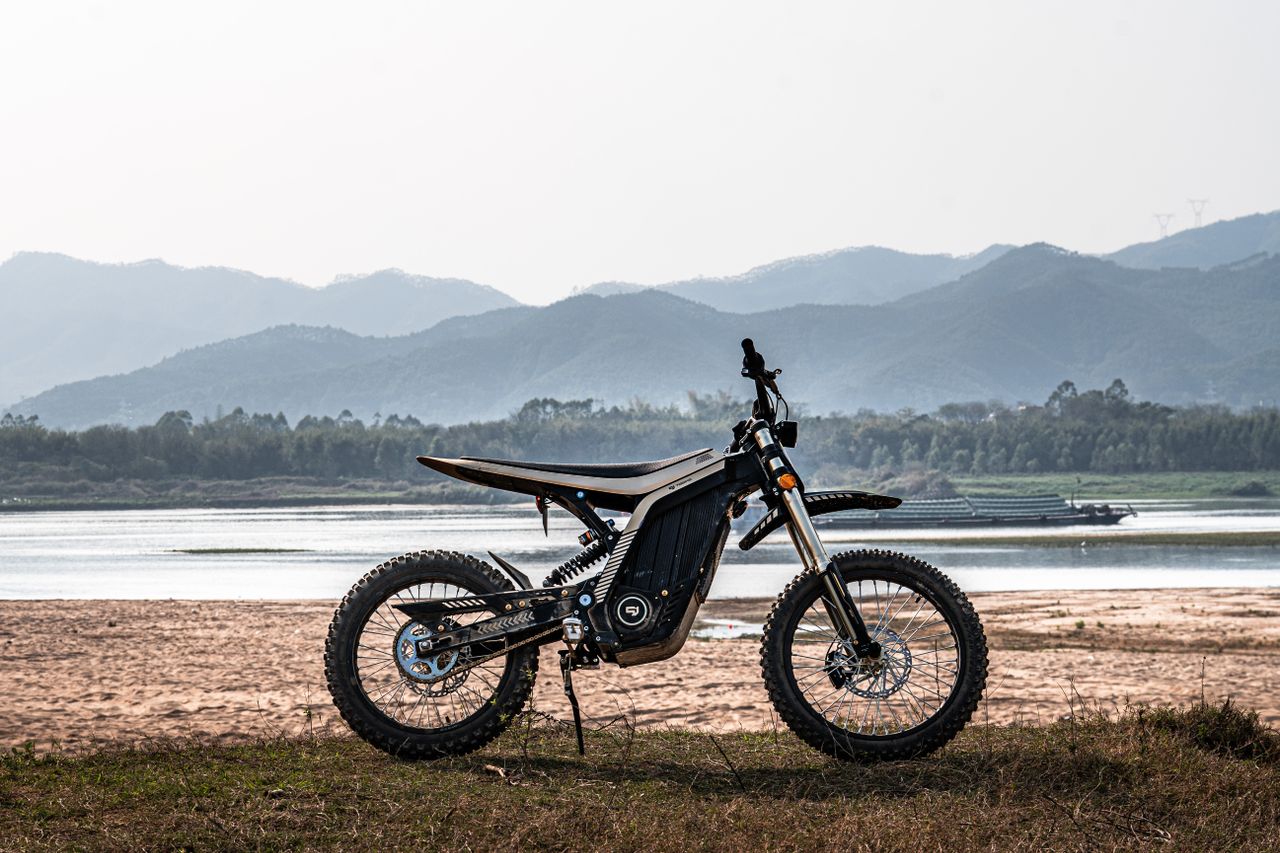
California spent 2025–2026 drawing a bright statutory line between Class e-bikes and off-highway electric motorcycles — the Sur-Ron / Talaria / “eMoto” class that Illegal Bikes Files tracks under electric dirt bikes. Senate Bill 586, effective 1 January 2026, added Vehicle Code concepts (including § 436.1 themes) that define an off-highway electric motorcycle and push those machines into the OHV identification system rather than bicycle lane assumptions. Later SB 1167 (chaptered 2026; key labeling provisions widely reported effective 1 January 2027) tightens how sellers may advertise products that are not e-bikes. This page is an archive brief, not DMV advice.
What SB 586 treats as an off-highway electric motorcycle
Public explainers and chaptered themes describe an eMoto roughly as a two-wheel electric machine that is:
- designed by the manufacturer primarily for off-highway use,
- steered with handlebars and ridden with a manufacturer straddle seat,
- not equipped with pedals from the manufacturer,
- powered by an electric motor (motor number not required in the OHV framing).
That definition captures the crate Sur-Ron-class bike with foot pegs and a throttle — the same silhouette cities seize when ridden on bridges, sidewalks, and bike paths. It is the opposite of a Class 1–3 e-bike that keeps operable pedals and stays under the federal / state power-speed envelope.
Green sticker / OHV identification — not a street plate
State Parks OHV materials describe a Green Sticker (OHV identification) pathway for qualifying off-highway machines, with fees commonly cited around $54 for two years in 2026 consumer explainers. The sticker authorizes use in designated OHV areas and on private land with permission. It does not convert an off-highway eMoto into a street-legal motorcycle for highways, sidewalks, bike lanes, or parking facilities. California messaging after SB 586 is blunt: many of these machines cannot be registered for on-road use at all. Aftermarket light kits and mirrors do not rewrite the manufacturer’s off-highway design intent.
Where you still cannot ride
Agency summaries repeat that OHV eMotos are barred from ordinary public roads, sidewalks, bike paths, bike lanes, and many parking lots. Helmet and age rules for OHV areas still apply. Riders who treat a green-sticker dirt bike like a city e-bike remain in the same enforcement pattern documented in the California Bay Area case file — bridge stops, sideshow seizures, and DA units that charge parents who knowingly allow illegal street use.
SB 1167 — labeling and “don’t call it an e-bike”
Signed 30 September 2026 (Chapter 846 themes), SB 1167 strengthens labeling and marketing so devices outside California’s e-bike definition cannot be sold or advertised as e-bikes. It reinforces the 750 W and class-speed framework, expands disclosures for mopeds / motor-driven cycles, and ties into battery and safety labeling themes that also appear in NYC consumer actions. Read chaptered text via California’s legislative search, then compare with official sources.
How California sits next to NYC and federal law
- Federal 15 U.S.C. § 2085 still defines the low-speed electric bicycle product floor (pedals, under 750 W, under 20 mph motor-only).
- NYC focuses on sales and street operation bans for over-limit devices — see NYC and California and NYC crackdowns.
- California adds an OHV noun for pedal-less multi-kilowatt dirt bikes and a labeling statute so marketplaces cannot keep calling them e-bikes.
Practical checklist for California buyers
- Pedals from the factory? If no, assume eMoto / OHV — not Class 1–3.
- Continuous watts and motor-only speed on the spec sheet — not the unlocked “race mode.”
- Ask whether the seller will help with OHV identification, not a bicycle registration myth.
- Never assume bike-lane access; use OHV parks or private land.
- Parents: holiday “e-dirt bike” ads are the exact pattern Henderson, NV and Bay Area agencies warn about — read the parents buying guide.
Continue to electric dirt bikes for product taxonomy, e-bike vs e-moto for the comparison table, and the November 2026 blitz for contemporaneous enforcement elsewhere.
Frequently Asked Questions
Clear answers grounded in published rules and reporting.
When did California’s SB 586 eMoto rules take effect?
Core OHV electric motorcycle definitions are tied to 1 January 2026. Confirm the chaptered Vehicle Code text on leginfo before you rely on a fee or sticker detail.
Does a green sticker make a Sur-Ron street legal?
No. OHV identification supports designated off-highway use. California messaging states many eMotos cannot be converted for highway registration.
What does SB 1167 change?
Labeling and marketing: products outside the e-bike definition should not be sold as e-bikes, with related moped/motor-driven-cycle and battery disclosure themes effective on the chaptered dates (widely reported 1 January 2027 for key pieces).
Where should Bay Area riders read next?
Open the California Bay Area case file, then how to identify.
Is this DMV advice?
No. Illegal Bikes Files archives public statutes and explainers. Confirm with California DMV / State Parks OHV and a qualified attorney.