Illegal Bikes UK EAPC Rules for Legal E-Bikes
250 W, 15.5 mph assist cutout, and why unlocked throttles turn cycles into motor vehicles
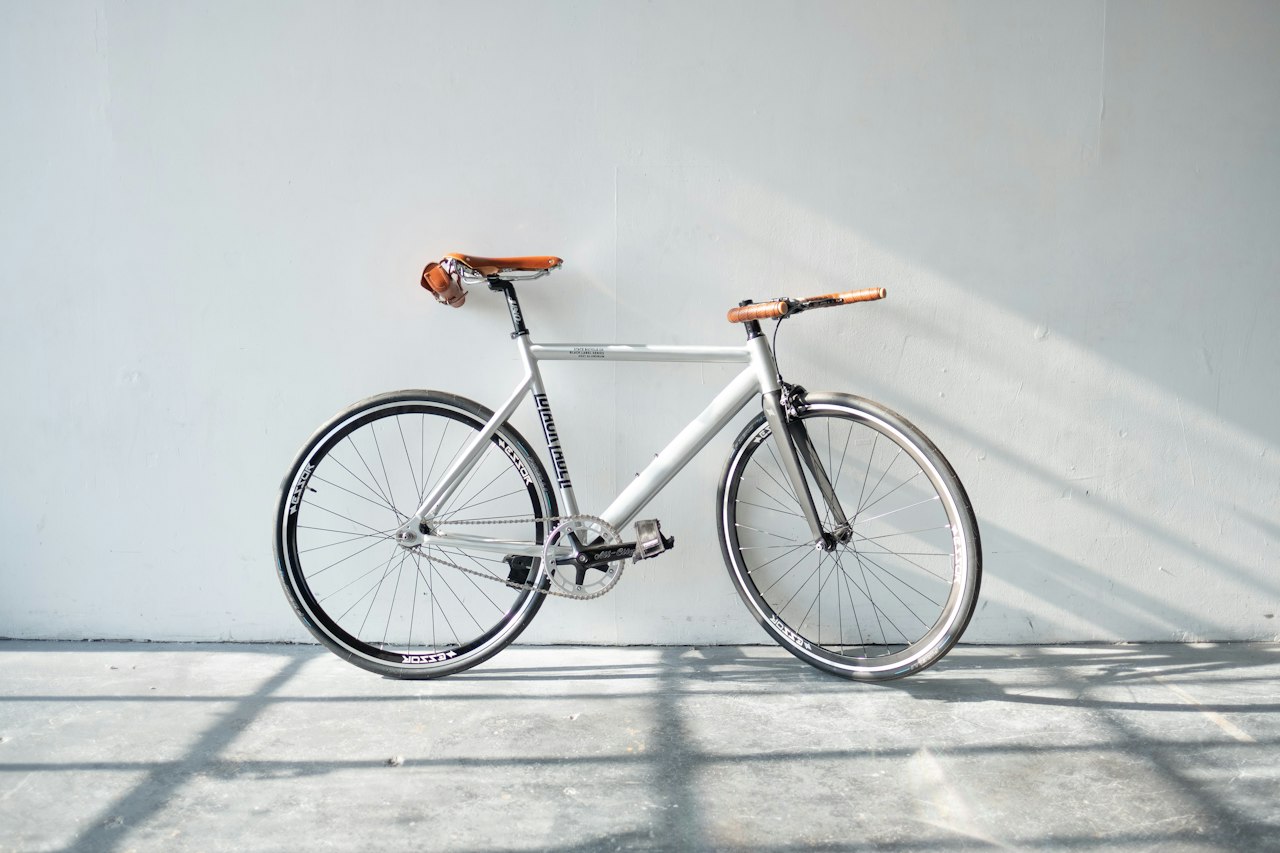
In Great Britain, an electric bike is only treated like an ordinary pedal cycle when it meets the Electrically Assisted Pedal Cycle (EAPC) rules. The official GOV.UK pages and Department for Transport information sheets set a narrow product box: working pedals, a modest continuous motor rating, and assistance that dies at a fixed speed. Everything outside that box is a motor vehicle for road-traffic purposes—registration, insurance, licence, and helmet rules apply. US Class stickers and Amazon “750 W peak” copy do not travel.
The EAPC definition in plain English
According to GOV.UK electric bike rules and the Electrically Assisted Pedal Cycles information sheet, a cycle is an EAPC when it:
- is fitted with pedals that can propel it;
- has an electric motor with maximum continuous rated power not exceeding 250 watts;
- has electrical assistance that cuts off at 15.5 mph (25 km/h).
Riders must be 14 or over. A compliant EAPC does not need to be registered, taxed, or insured as a motor vehicle, and you do not need a driving licence to ride one. You may use cycle paths and other places ordinary pedal bikes are allowed. You may not ride on pavements.
Markings on the bike should show continuous rated power and the manufacturer, plus either battery voltage or the maximum speed the motor can propel the bike. Enforcement officers routinely look for those stamps—Wiltshire Police’s forensic vehicle examiners have demonstrated the checks on camera, including the video embedded on this page.
Throttles, walk-assist, and “off-road mode”
EAPC rules are built around assistance while pedalling, not motorcycle-style twist-and-go propulsion at road speed. Government guidance allows a limited walk-assist / start-up function that moves the cycle at low speed (commonly described around 6 km/h / about 4 mph) without pedalling. A throttle that propels the bike at ordinary riding speeds without pedalling generally takes the machine outside EAPC treatment and into moped or motorcycle classification unless the product has the separate approvals required for that vehicle class.
Department for Transport guidance is also clear on temporary “off-road” or unlock modes: if activating a mode lets the motor propel the vehicle above 15.5 mph, the vehicle does not, in the Department’s stated view, comply with the EAPC regulations and is considered a motor vehicle. Software locks and dealer “derestriction” are therefore not a grey hobby tip—they are a classification change for public-road use.
What happens when a bike is not an EAPC
If continuous rated power exceeds 250 W, assistance continues above 15.5 mph, or pedals cannot propel the cycle, the machine is not an EAPC. GOV.UK states it is then classed as a motorcycle or moped. Practical consequences typically include:
- vehicle registration and number plate display;
- motor insurance and vehicle excise duty where required;
- an appropriate driving licence category;
- an approved motorcycle helmet;
- possible type approval / construction-and-use obligations that ordinary bicycles never face.
Riding an unregistered, uninsured motor vehicle on a public road can lead to seizure, fines, and points—police forces have publicised crackdowns on illegally adapted e-bikes assembled from online parts kits. Wiltshire Police materials emphasise continuous 250 W markings, pedal-rotation sensors that cut power when you stop pedalling, and the absence of a road-speed throttle on compliant machines.
How UK rules compare with US and Australian floors
| Topic | Great Britain EAPC | US federal low-speed e-bike | Typical Australian EPAC floor |
|---|---|---|---|
| Continuous power | ≤ 250 W | < 750 W | Often ≤ 250 W (state overlays) |
| Assist / motor speed | Cutout 15.5 mph | Motor-only < 20 mph | Assist often to 25 km/h |
| Pedals | Must propel | Fully operable | Must propel / pedal-assist focus |
| Min age | 14+ | State rules | State / territory rules |
A US Class 2 throttle commuter that is legal in many American states is not automatically an EAPC in Britain. Importing or unlocking such a bike for UK roads without the correct motor-vehicle approvals is a common compliance failure. Cross-read the US classes page and the Laws Hub overview before assuming a shipping label equals local legality.
Field checks officers and buyers use
Wiltshire Police and similar road-safety units teach a visual and mechanical checklist that buyers can reuse:
- Read the motor stamp for 250 W continuous rating—not a peak figure on a retail website.
- Confirm a pedal sensor (cadence or torque) that ties assistance to pedalling.
- Confirm assistance fades or stops at 15.5 mph.
- Treat a full-speed twist throttle as a warning unless the product is sold and approved as a moped/motorcycle.
- Reject kits advertised with derestricted controllers for public-road use.
Pair those checks with the archive’s how to identify guide and the e-bike vs e-moto comparison when a listing mixes bicycle photos with motorcycle speeds.
Policy note: 500 W proposals
The UK government consulted on raising the continuous power limit and expanding throttle rules. As of publicly reported follow-up, the core 250 W / 15.5 mph EAPC framework remains the operative rule for Great Britain. Do not rely on abandoned consultation options when buying a bike today; verify the live GOV.UK pages.
Related Illegal Bikes Files pages
- Laws Hub — US / UK / AU map
- US e-bike classes — 15 USC 2085 and Class 1–3
- NYC and California — sales enforcement examples
- Classes Hub and e-bike vs e-moto
This page summarises GOV.UK guidance and public police education materials. It is not legal advice. Northern Ireland and local path bylaws can differ; confirm before you ride.
Frequently Asked Questions
Clear answers grounded in published rules and reporting.
What are the UK EAPC power and speed limits?
Maximum continuous rated motor power of 250 watts, with electrical assistance cutting off at 15.5 mph (25 km/h). The cycle must have pedals that can propel it, and riders must be 14 or older.
Do I need a licence or insurance for a legal UK e-bike?
Not for a compliant EAPC. GOV.UK states you do not need a licence, registration, tax, or motor insurance. If the bike fails EAPC rules, it is treated as a moped or motorcycle and those requirements apply.
Is a throttle legal on a UK e-bike?
A low-speed walk-assist around 6 km/h is the usual permitted exception. A throttle that propels the bike at normal road speeds without pedalling generally takes it outside EAPC classification unless it is approved as a motor vehicle.
Why do Wiltshire Police videos matter?
They show how officers check motor stamps, pedal sensors, and throttles in practice—the same cues buyers can use before purchasing. The embedded video on this page is one of those public explainers (YouTube ID TPuUofuKVNg).
Does a US Class 2 e-bike qualify as an EAPC?
Usually not automatically. US Class 2 allows throttle propulsion to 20 mph under many state rules, which conflicts with UK EAPC expectations built around 250 W and 15.5 mph assist cutout. Check UK rules separately.